Field Guide · Nº 17
Shady Hollow
Far-southwest Austin's original big-lot neighborhood — mature oaks, the Bowie feeder, and a tax bill that surprises people in a good way.
← All neighborhood guides South of the River · Updated July 2026

The feel of Shady Hollow
Shady Hollow is what far-southwest Austin looked like before the master-plans arrived — because it was the master-plan, circa 1972. Platted in phases through the 1970s, 80s, and early 90s off Brodie Lane south of Slaughter, its roughly 1,500 homes sit on lots the modern market simply doesn’t build anymore: a quarter-acre as the floor, half an acre and up in the Estates sections, all of it under live oaks that have had fifty years to close ranks over the streets. The name is accurate. In August, that matters.
The rhythm here is settled in a way newer communities can’t fake. Kids bike to Baranoff. The HOA newsletter and the Fourth of July parade do the community-glue work. Deer browse the Estates at dusk. There’s no amenity center with a lazy river and no coffee shop at the entrance — the neighborhood’s amenities are the lots, the trees, the schools, and the greenbelt, and its residents chose exactly that bundle on purpose. Families arrive for the schools and stay for decades, which is why inventory is perpetually thin.
The homes and the market
The stock spans the neighborhood’s three building decades: 1970s single-story ranches in the original sections, 1980s two-stories, and 1990s limestone traditionals toward the newer edges — mostly 1,800 to 3,200 square feet, with the Estates offering larger custom-era homes on the biggest lots. Per Redfin public market data, the median sale price sat around $617K as of May 2026, roughly flat year over year, with original-condition homes in the $500Ks and updated or Estates properties reaching $900K and beyond — verify current.
The buyer homework is systems, not style. Much of this housing is now 35 to 50 years old, so roofs, HVAC, water heaters, original windows, and era plumbing are the real negotiation. Plenty of listings have been renovated — some well, some cosmetically — and telling the difference is where an experienced inspection team earns its keep. The reward for that diligence: on price alone, Shady Hollow frequently undercuts Circle C for the same feeder pattern and more land. The market knows this, but not perfectly, and the gap is where our buyers have done well.
Schools, taxes, and the practical file
The school pattern is the headline: Baranoff Elementary, Bailey Middle, Bowie High — the same AISD southwest pipeline that anchors demand in Circle C, with Baranoff sitting right in the neighborhood. As always, verify zoning by address, but Shady Hollow’s assignments have been stable for years. For many of our clients this feeder is the entire search criterion, and Shady Hollow is often its best-value entry point.
The tax situation is the quiet second headline. Shady Hollow sits outside Austin’s full-purpose city limits — a proposed annexation was fought off years ago, and while Austin Water took over the utility system in 2018, the city property tax line never arrived. You pay Travis County, Austin ISD, a small Shady Hollow MUD levy, and an emergency services district, which typically lands around 1.7–1.9% effective before exemptions — genuinely lower than nearly everything around it, and dramatically lower than the 2.5%+ MUD-financed master-plans further out. HOA dues are modest and vary by section; the deed restrictions are enforced but not architectural-committee theater. Confirm the current MUD rate and dues per address — rates get reset annually.
Getting around
Here’s the honest tradeoff for those big lots: the commute starts with an arterial. Brodie or Manchaca carries you north to Slaughter or William Cannon before you reach MoPac’s southern start, and that first fifteen minutes is the tax you pay daily. Downtown runs 25–35 minutes on a normal morning, more when MoPac has opinions. The airport is about 25 minutes via Slaughter and I-35. The Domain and north tech corridor are 45-plus at peak — if your office is up there, look north instead. What’s genuinely convenient: the Veloway and Wildflower Center five minutes away, Escarpment Village’s H-E-B ten minutes west, Southpark Meadows ten minutes east, and the Hill Country wineries and swimming holes out FM 1826 past Dripping Springs on a Saturday.
Who it fits
Shady Hollow fits families optimizing for the Bowie feeder who want land and trees more than amenity centers — and who’d rather put money into a renovation than a MUD tax bill. It rewards patient buyers: the right house in the right section may take a season to appear, and the systems-focused inspection is non-negotiable. It frustrates buyers who want walkable coffee, turnkey-modern interiors, or a shorter downtown commute.
If the feeder matters but you want newer construction and HOA polish, Circle C is the comparison to run. If budget leads, the Sunset Valley area’s surrounding 78745/78749 streets sell for meaningfully less. And if you’re open to the east side of I-35, Goodnight Ranch offers the new-build version of a schools-first southeast Austin play.
The local's list
What we tell clients after the paperwork's signedGreen space & trails
- Slaughter Creek Trail — the five-mile one-way loop off FM 1826 starts practically at the neighborhood's back door; runners go clockwise mornings, mountain bikers counter-clockwise by rule
- The Veloway — 3.1 paved miles for bikes and skates only, five minutes up Slaughter; pair it with a Wildflower Center visit
- Mary Moore Searight Metropolitan Park — 300+ acres off Slaughter with disc golf, equestrian trails, and shaded creek bottom most of the city has never found
- Bauerle Ranch trails — the greenbelt network behind the neighborhood's east side; unofficial, unpaved, and the local dog-walking secret
Eat & drink
- Moontower Saloon — the oak-shaded compound at Menchaca and Slaughter that functions as Shady Hollow's neighborhood bar; trivia and live music weekly
- Armadillo Den — three acres of food trucks and stages on Menchaca; the group-birthday default five minutes away
- Escarpment Village — Satellite and Waterloo Ice House cover date night and team-dinner duty ten minutes west
Only-here bonuses
- The neighborhood's Fourth of July parade — a decades-running tradition of bike streamers and fire trucks down Doe Run; verify the route with the HOA newsletter
- Luminations at the Wildflower Center each December — close enough to make it an annual ritual; tickets sell out fast
- Deer wander the Estates sections at dusk — charming until you plant tulips; landscape natively and everyone stays happy
See it in person
Walk Shady Hollow with us
An hour on the ground tells you more than a week online. We'll show you the streets that fit your life — and tell you which ones don't.
Prefer to talk first? Call (512) 537-8623 or email contact@raresidential.com.
Keep exploring
If you like Shady Hollow, also look at
Circle C Ranch
Southwest Austin's proven master-plan — the Veloway, the Wildflower Center, and a school pipeline people move for.
Sunset Valley & Westgate
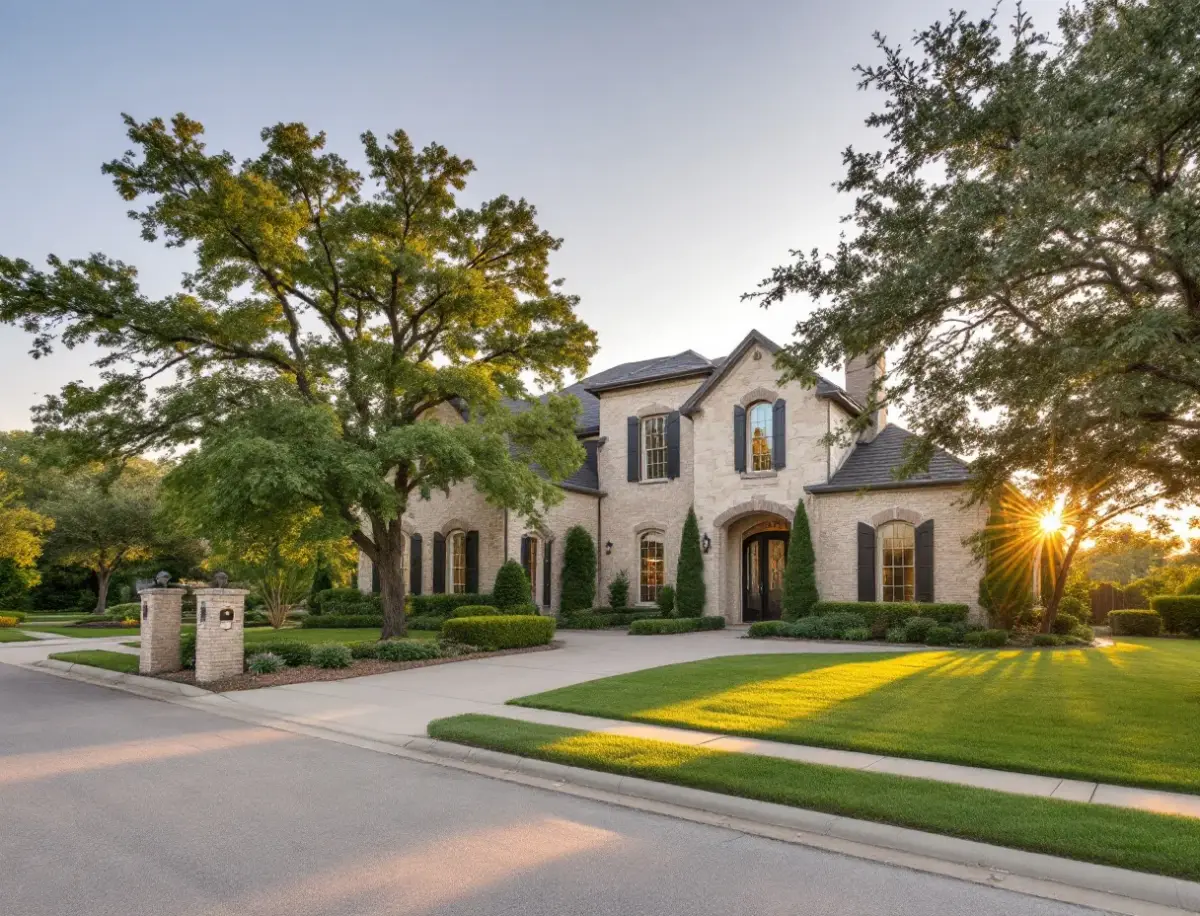
A tiny independent city inside southwest Austin — big lots, no city property tax, and almost nothing for sale.
Goodnight Ranch
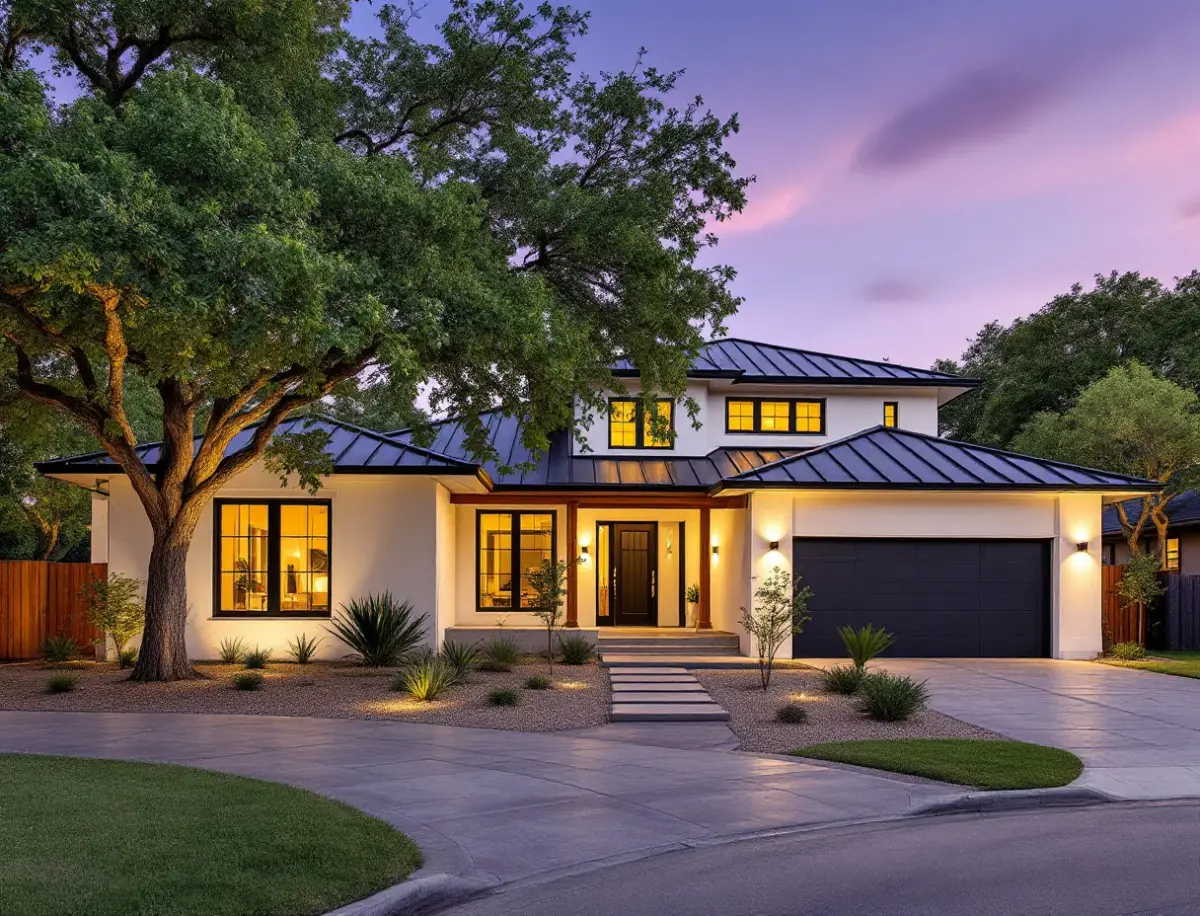
Southeast Austin's quieter master-plan — Austin ISD campuses on the community's edge, Onion Creek trails next door, and price points the west side gave up on.