Field Guide · Nº 16
Circle C Ranch
Southwest Austin's proven master-plan — the Veloway, the Wildflower Center, and a school pipeline people move for.
← All neighborhood guides South of the River · Updated

The feel of Circle C Ranch
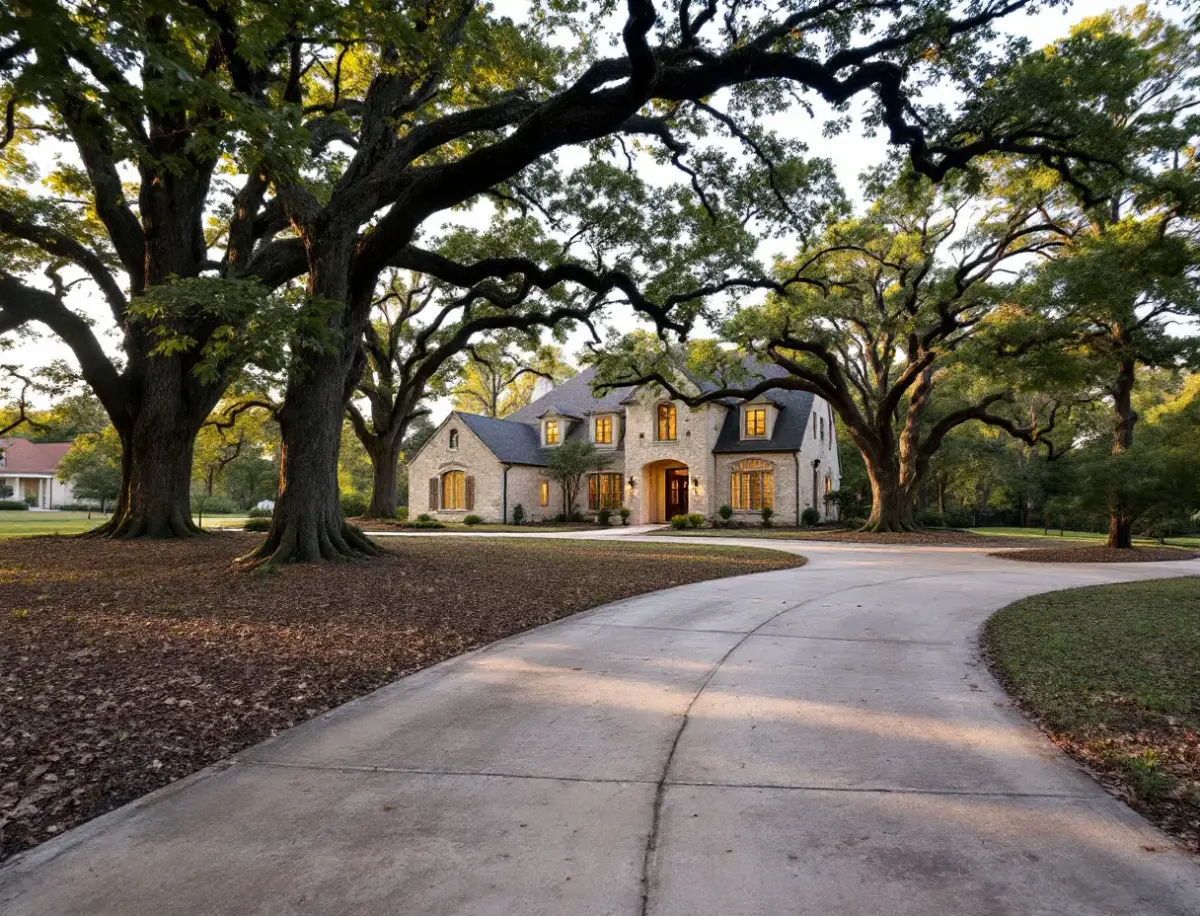
Circle C is what a master-planned community looks like when it’s had thirty years to grow in. Built out mostly through the 1990s and 2000s across roughly 4,500 homes in far southwest Austin, it has the mature trees, established schools, and settled rhythms that newer master-plans out toward Dripping Springs are still growing into. The oaks have caught up with the rooflines. The parks are worn in the good way.
The daily texture is the draw: the Veloway — a 3.1-mile paved loop reserved for bikes and skates — sits at the neighborhood’s heart, next door to the Lady Bird Johnson Wildflower Center, which functions as Circle C’s botanical backyard. The Circle C swim center runs year-round, Slaughter Creek’s trails thread the greenbelt, Grey Rock’s golf course borders the southern sections, and Escarpment Village (HEB, restaurants, the Saturday errand loop) means weeks can pass without crossing Slaughter Lane for anything routine.
Who it suits: buyers focused on the school pipeline and an easygoing, well-run suburban setting inside Austin city limits. It may be less of a fit for buyers who want architectural variety, big private acreage, or fewer HOA rules. Circle C made the classic master-plan trade — consistency for individuality — and it has held up its end of that bargain better than most.
Schools
This is the reason half our Circle C buyers call us. The neighborhood feeds Austin ISD’s strongest southwest pattern: Kiker, Clayton, and Mills elementaries (zoning varies by section — verify by address), into Gorzycki Middle School, into Bowie High School, one of the largest and most consistently high-performing comprehensive high schools in the district. Kiker was built with the community in 1992 and Clayton and Gorzycki followed as it grew, so the campuses sit inside or beside the neighborhood, within walking or biking distance of many homes.
The honest picture: these campuses are strong and in high demand, which means they run big, and the feeder pattern is priced into every listing. You are paying a premium over neighboring 78749 and 78745 partly for these attendance zones. That premium has historically protected value well; just know that part of the price is the school zone.
The commute
Circle C’s quiet superpower is that MoPac’s southern terminus is essentially the neighborhood’s front door. Downtown runs 20–30 minutes on a normal morning, straight up Loop 1 — no arterial slog first, which is what slows commutes from most southwest suburbs. The airport is 25–30 minutes via Slaughter and I-35 or 71. The weak directions: the Domain and north tech corridor run 40–50 minutes at peak, and when MoPac has a bad day there’s no graceful plan B — Brodie and Manchaca are the slow alternates. Oak Hill’s rebuilt 290/71 interchange has improved the drive toward Dripping Springs and the Y considerably. If your work is downtown or you’re remote, the math is excellent; if it’s in Round Rock, look north instead.
Property taxes and the HOA
Circle C’s original MUDs were dissolved when Austin annexed the area in the late 1990s, so today you’re on the standard City of Austin, Travis County, and Austin ISD stack — roughly 1.8–2.0% effective before exemptions, with no MUD surcharge. That’s worth underlining, because newer master-plans in the region routinely carry MUD rates well above that.
The Circle C Homeowners Association adds annual dues in the several-hundred-dollars range (some newer sections carry additional sub-association dues — verify per section), funding the swim center, parks, and common-area landscaping, and enforcing architectural standards on exterior changes. One more structural reality: the neighborhood sits over the Edwards Aquifer recharge zone, so watering restrictions are a fact of life and stricter here than most of the city. Native and drought-tolerant landscaping isn’t just virtuous in Circle C — it’s the only thing that looks good in August.
What you’ll find
Production homes from roughly 1990 through the late 2000s in the brick-and-limestone central-Texas style — mostly two-story, 2,200–3,800 square feet, on lots of roughly a quarter acre, from builders of that era with varying reputations we’re happy to decode street by street. Distinct sections have distinct personalities: the original Circle C West sections with the biggest trees, Park West and Muirfield near the golf course, hillier Vintage Place, and the newer Avaña and Greyrock Ridge edges with 2010s construction.
Pricing runs from about $600K for original-condition homes in the older sections to $1.3M+ for larger or heavily updated homes on premium greenbelt and golf lots, with medians recently in the high $700Ks to mid $800Ks (per Redfin/Zillow public market data as of July 2026). The buyer homework here is systems: many homes are now 20–35 years old, so roofs, HVAC, water heaters, and original windows are the negotiation, not the paint colors. If Circle C’s polish appeals but the budget argues, neighboring Sunset Valley’s surrounding 78745/78749 corridors run meaningfully cheaper; if the budget stretches the other direction, Barton Creek is the next rung up the same southwest ladder.
The local's list
What we tell clients once they've moved inGreen space & trails
- The Veloway — 3.1 paved miles for bikes and skates only, no pedestrians to dodge; quietest before 9 on weekends
- Slaughter Creek Trail off FM 1826 — a five-mile one-way loop for runners and mountain bikes at the neighborhood's edge
- Lady Bird Johnson Wildflower Center — functionally the neighborhood botanical garden; residents buy the membership and use it like a park
- Circle C Metropolitan Park — fields, playground, and Slaughter Creek shade along the neighborhood's spine
Eat & drink
- Satellite at Escarpment Village — the neighborhood bar-bistro since 2006; Community Hour specials make it an easy after-work stop
- District Kitchen + Cocktails — Escarpment Village's date-night answer without leaving the neighborhood
- Waterloo Ice House on Escarpment — a casual neighborhood standby with a playscape patio
Only-here bonuses
- Luminations at the Wildflower Center — the December light walk is a five-minute drive; buy tickets the week they release
- Fortlandia each fall — the Wildflower Center's climbable-fort exhibit; a membership pays for itself by the third visit
- The Circle C swim center — HOA-run, open year-round, and included in the dues
See it in person
Walk Circle C Ranch with us
An hour on the ground tells you more than a week online. We'll show you the streets that match what you're looking for, and we'll be honest about the tradeoffs.
Prefer to talk first? Call (512) 537-8623 or email contact@raresidential.com.
Keep exploring
If you like Circle C Ranch, also look at
Sunset Valley & Westgate
A tiny independent city inside southwest Austin — big lots, no city property tax, and almost nothing for sale.
Dripping Springs
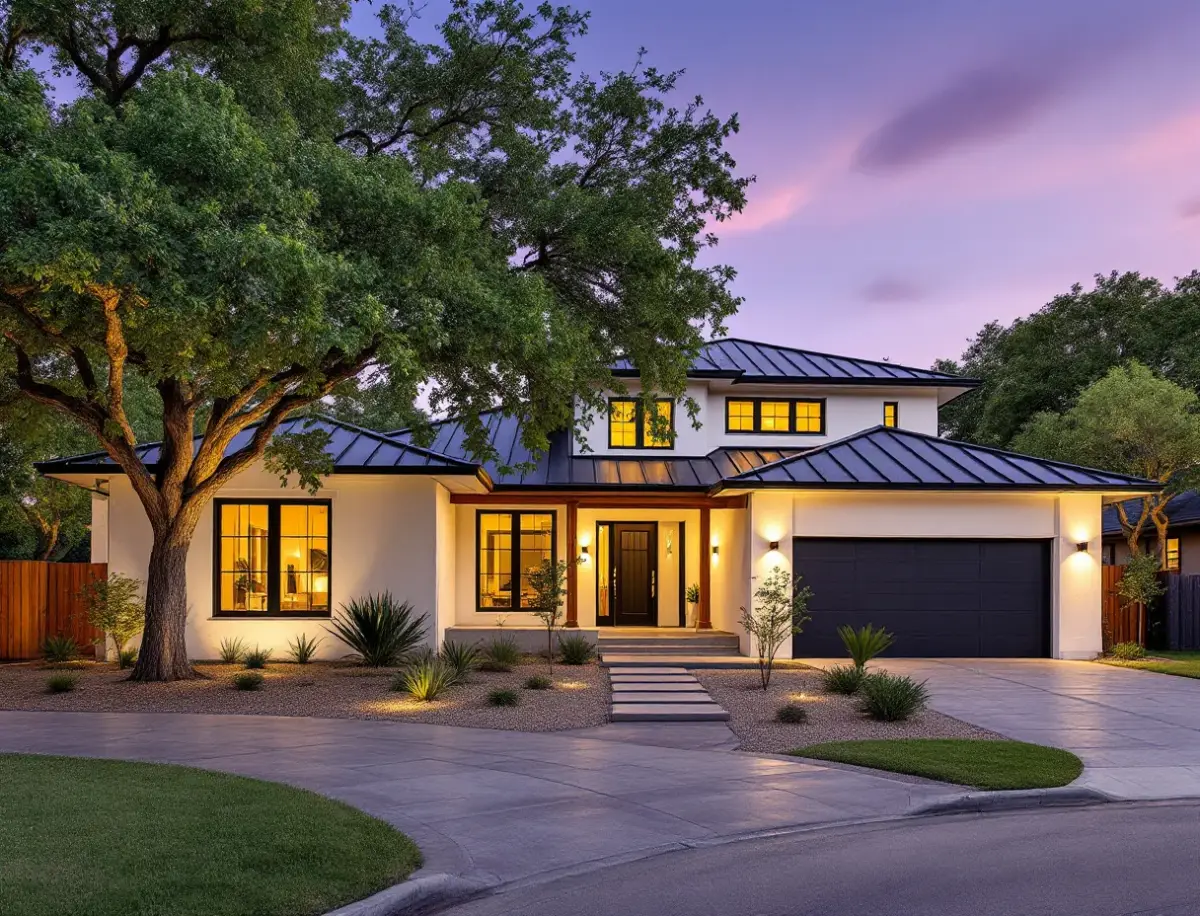
The gateway to the Hill Country — new communities, old ranchland, and room to breathe.
Barton Creek
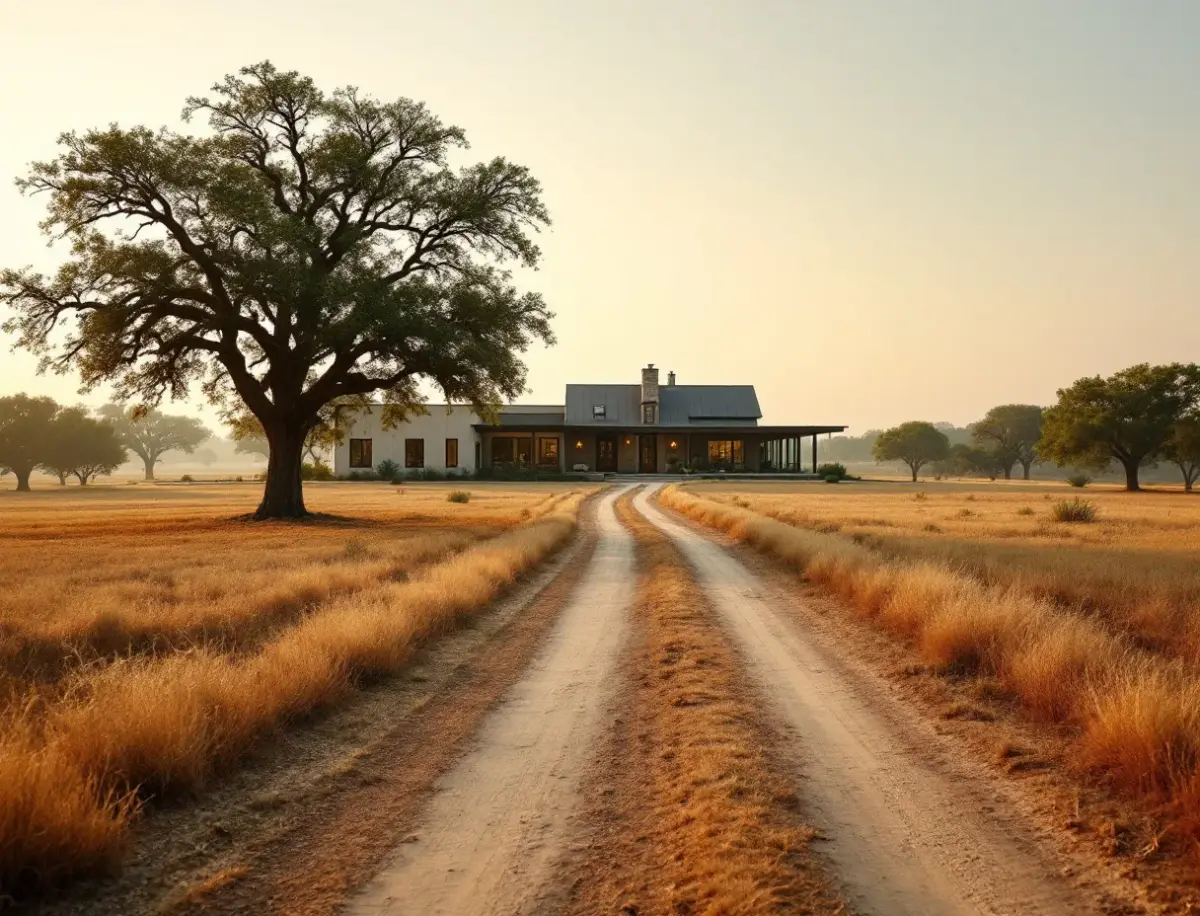
Canyon-rim estates and four resort golf courses, fifteen minutes from downtown and a world away.